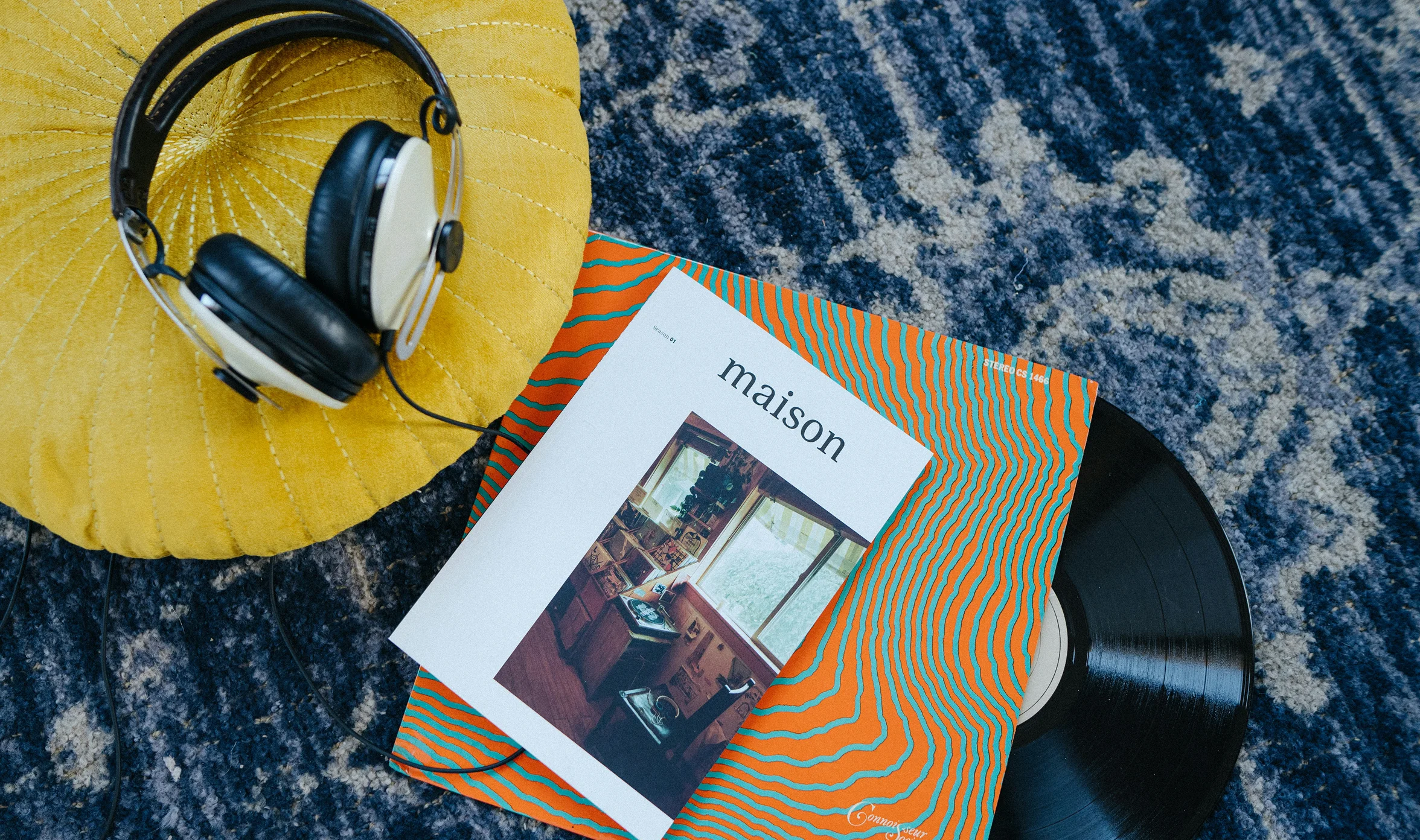
Before we get into details about analog living, let's first cover the definition. What does the word "analog" even mean, and where does it come from?
Learn English with AdvanceMe: Technically, "analog" refers to systems that run on analog circuitry rather than digital 1s and 0s, such as film cameras. Yet recently, the meaning of analog has shifted, so now it describes a lifestyle that prioritizes physical presence.
Analog living is the practice of choosing slower experiences over digital ones. In the era of constant digital noise, this lifestyle feels like a kind of rebellion. But why?
The problem of the stolen focus
The trend toward analog living is a natural response to a systemic attention crisis. Essentially, it comes from our desire to reclaim personal autonomy from a digital environment. The average person now spends over 4 hours a day intentionally on their phone. If you add background media and passive notifications to this, the picture grows bleaker. Many people are now even dealing with phone addiction. However, this isn't entirely our fault.
In the attention economy, platforms profit by keeping us engaged as long as possible. This is why apps are designed to be addictive and to keep users constantly checking their screens. Anna Lembke, the author of Dopamine Nation, explains that repeated exposure to digital novelty tips the brain's pleasure-pain balance. As a result, ordinary experiences start to feel flat. Over time, real-life activities like reading or conversation no longer provide enough stimulation.

It's actually useful to feel bored and do nothing
Do you feel the urge to pull out your phone while waiting in line or getting into an elevator? Many of us are experiencing what researchers call the Boredom Paradox. While boredom feels intensely negative, it is indispensable for our creativity and motivation. When we stare out a window or take an aimless walk, the Default Mode Network (DMN), a network of brain regions, activates. It is associated with self-reflection and the generation of new ideas.
In Rest, Alex Soojung-Kim Pang states that the most creative and productive people were resting more deliberately. Walking, napping, and other slow living activities were inseparable from the serious work. The mind, like any overworked muscle, needs stretches of genuine rest to function well. But when we fill every gap with stimulation, it only depletes us. That's why we feel the need to rediscover unstructured, tech-free time.
Everyone can benefit from digital declutter
Tired from overstimulation, we may crave a new relationship with time and attention. If you feel a need for a digital detox, Digital Minimalism is a great book on the topic. Cal Newport's strategy is to have a 30-day rapid transformation. Step away from all optional technologies for a month to reset your brain and rediscover analog activities such as reading or gardening. You might be surprised how pleasant it will be to reconnect with cherished activities you believed you had no time for.
This declutter can be challenging for many, but there are valid reasons to stick with it. By the end of the declutter, technology will no longer be a constant source of shallow entertainment. You'll learn to see it as a specific tool that supports a life well-lived.
"I want to go analog. How should I approach it?"
Protect stretches of genuine boredom
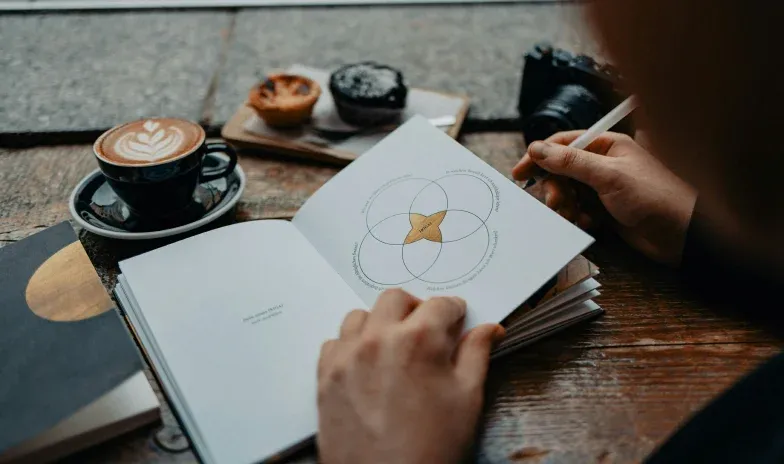
Stop viewing so-called unproductive activities, such as sipping coffee or taking a walk just because you feel like it, as wasted time. This is when the Default Mode Network does its best work! So, let the mind go where it wants to go, and notice what surfaces. Even the two minutes of waiting for your coffee order is worth sitting with rather than filling.
Prioritize physical media
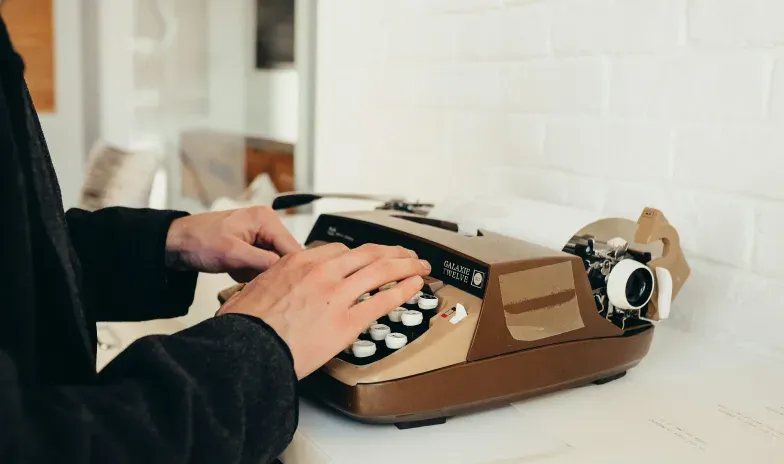
People who want to go analog collect vinyl records, CDs, or paper books to reclaim media from streaming services. They also decentralize technology by replacing multi-use smartphones with single-purpose electronics. What does it mean? It means it's time to get yourself a digital camera, an e-reader, or a vintage gaming console to remove "frictionless" paths to distraction. You can also try handwriting notes or using a typewriter to deliberately slow the pace of life.
Analog hobbies instead of screen time
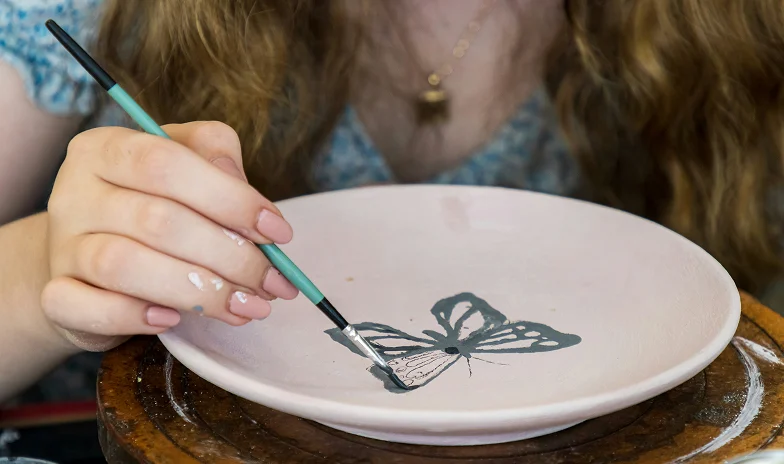
Unsure how to fill this tech-free time? Think back to the things you've enjoyed doing as a child or something you've always wanted to try. Here are several ideas:
- drawing
- baking
- gardening
- running
- playing an instrument
- woodworking
- knitting
- writing by hand
The key is to pursue hobbies that are genuinely absorbing without being depleting.
These analog activities facilitate what psychologist Mihaly Csikszentmihalyi calls the flow state. In this state of deep engagement, self-consciousness vanishes and time seems to fall away. To reach it, one must monotask on a clearly defined, meaningful goal (learn more in our summary of Flow).
Reclaim solitude
Because of constant hyperconnectivity, we spend virtually zero time alone with our thoughts. The smartphone encourages a quick glance at digital content the moment a quiet gap arises. We commute while watching short videos or go grocery shopping with a podcast in our headphones. Chronic deprivation of these quiet moments can actually degrade your quality of life. Try this: take a long walk alone without a phone or headphones. This practice will help the mind enter a state of productive aloneness and process thoughts without external chatter.
Taking all these ideas into consideration, here is one last tip. You should find your own version of analog living. It's common nowadays to treat everything as an aesthetic. Someone might find deep presence in embroidery, while someone else finds it in long-distance running. Remember that the goal is to move from a passive consumer to an active participant in your own life.
Credentials:
- Photo by NMG Network on Unsplash
- Photo by Grant Durr on Unsplash