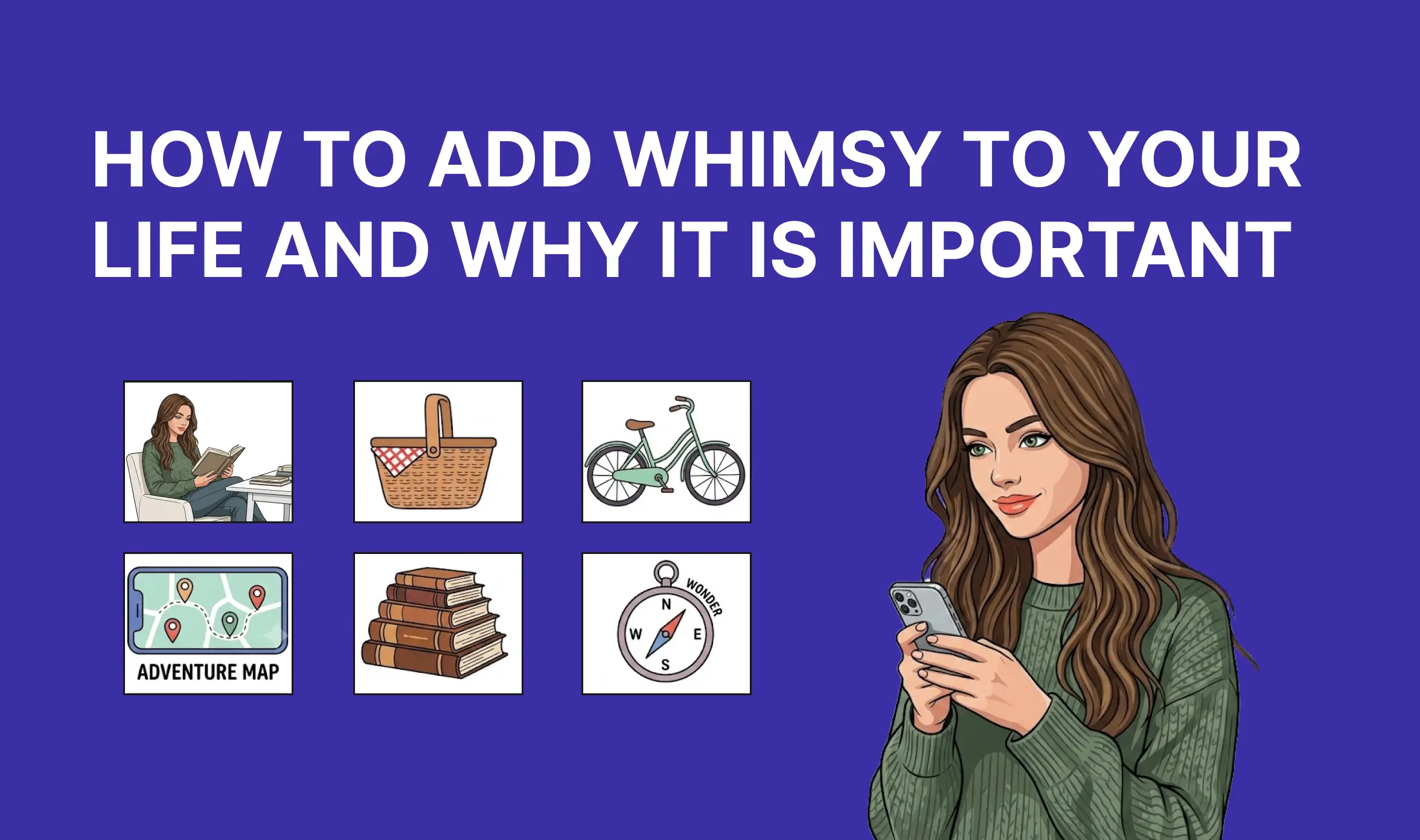
Learn English with AdvanceMe: The Cambridge English Dictionary defines whimsy as “unusual, funny, and pleasant ideas or qualities.” In a broader sense, it represents adding imagination and surprise to daily life to steer away from the mundane and find joy in the simple things.
To understand why whimsy is such a buzzword now, you have to look at the bigger picture. A decade of hustle culture and obsession with optimization taught us to strip life down to its most efficient essentials. Stuck between the doomscrolling and the AI anxiety, we forgot how to have fun.
Here are several insights we’ve discovered in popular nonfiction:
We need to move away from Fake Fun to True Fun
Catherine Price, the author of The Power of Fun, describes sitting alone on her couch during a self-imposed screen-free afternoon, with a quiet house and an hour to fill. At that moment, she realized she had no idea what she wanted to do. After years of defaulting to her phone, she had forgotten how to enjoy life.

The Power of Fun
Most people’s lives are now dominated by Fake Fun. Fake Fun is numbing, commercialized distractions, like mindless scrolling or retail therapy, that hijack the brain’s dopamine system. But intentionally adding whimsy to daily life can help you start feeling alive again. The whimsy movement encourages a return to True Fun, a combination of playfulness, connection, and flow. Popular examples include creative collaboration, physical activity, being in nature, or practicing a hobby.
Reclaim your “Hero Self”
Whimsy requires relearning the childhood ability to find joy in things that do not necessarily make sense. In Embrace Your Weird, author and creator Felicia Day names the version of you that got buried under years of social expectations: your Hero Self. It’s the authentic personality you had before you learned to suppress the playful and curious parts of yourself to fit in.
Little repressions can eventually cause us to lose the Hero Self. These may be social media feeds that emphasize performance or workplaces that reward seriousness. You begin to feel like you’re existing rather than living, and it happens subtly. Rebel against this by asking yourself, “What did I love before I was told I shouldn’t?” or “What makes no logical sense but brings me enormous joy?” Try prioritizing your own unconventional ideas and eccentricities over predictable norms.
Schedule “Artist Dates” and micro-whimsies
Whimsy is often found in the fleeting and emotional moments that break the autopilot of daily routine. A helpful recommendation from Julia Cameron’s The Artist’s Way is to start going on Artist Dates.
Here’s what it means: spend a few hours each week alone, doing something that nourishes your creative side. Forget about being productive and do something purely for the sake of delight. Cameron suggests watching an old favorite film or wandering somewhere you’ve never been. The point is to be alone with your sense of wonder.

The Artist Date is basically whimsy with an appointment in your calendar. Yes, you’ve read that right, you have to plan these side quests into your schedule. Without structure, delight gets perpetually deprioritized. Even micro-whimsies, the small, daily acts of noticing and savoring, are vital. For instance, taking a different route home or making your coffee in a fun mug. You’ll notice that the more you do such things, the easier whimsy becomes a habit.
Prioritize the physical and the tactile
The whimsy movement can also be called a rejection of “chronic onlineness.” Undoubtedly, digital tools are convenient, but there is a unique value in physical media. Alongside the whimsy trend, more and more people are embracing the analog lifestyle. People are gravitating toward vinyl records, printed photographs, handwritten notes, and film cameras. Both these trends are responses to the same exhaustion. (More on this in our article about Analog living)
Here is something to try: сarry a physical notebook to capture “fragments” of inspiration immediately. This practice is used by artists like David Hockney, who had suit pockets tailored specifically for his sketchbooks. With just a small notebook, you can ensure you’re always ready to capture a spark of whimsy. Find more inspiring tips like this one in our summary of Steal Like an Artist.

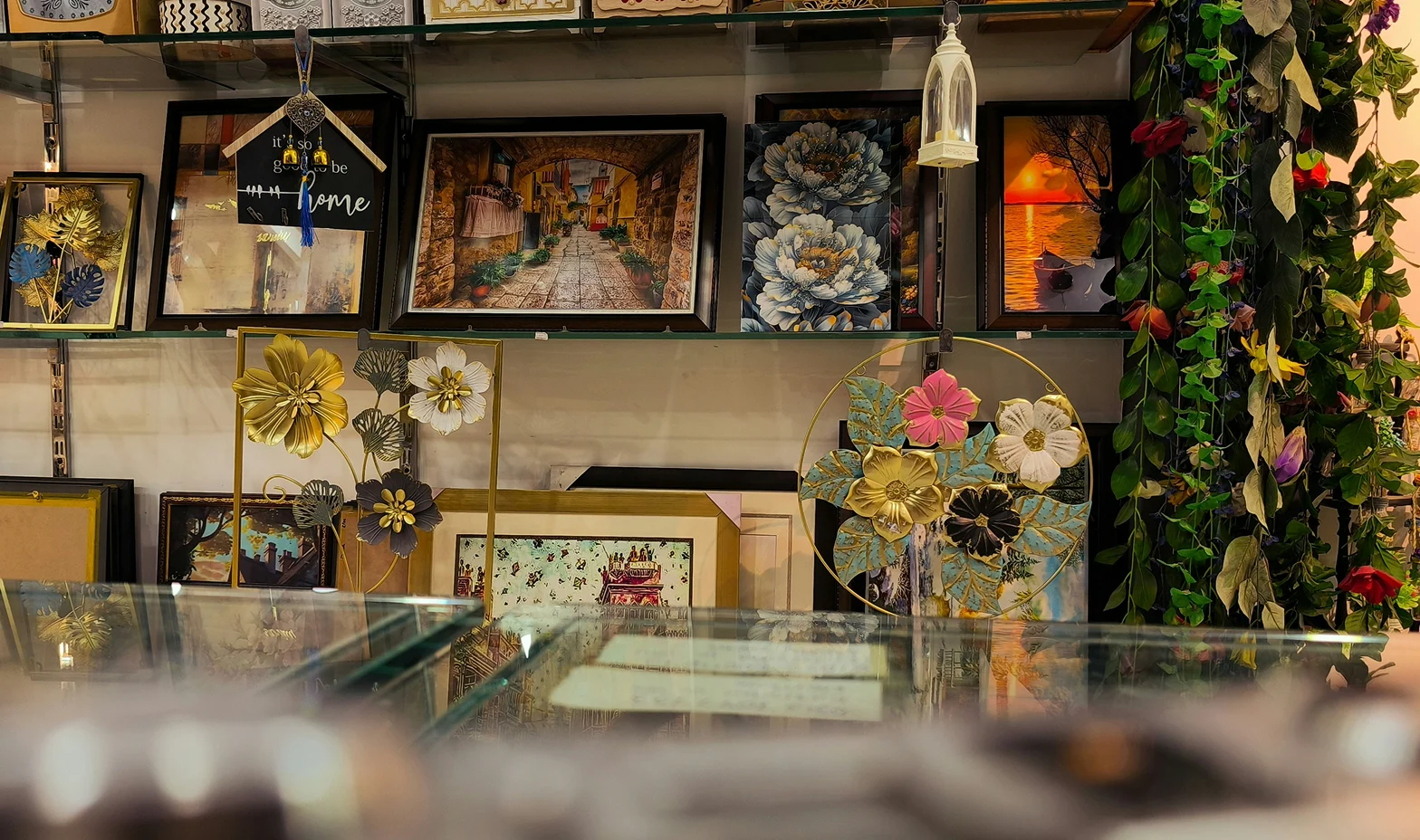
Additionally, channel more creativity toward your physical environment. Using whimsical décor, such as objects with history and personality, feels more nourishing than a perfectly staged minimalist shelf. Dressing up with a little more whimsy than you’re used to can change your mood for the entire day.
But do not turn whimsy into another checklist item
The risk with any trend is that it becomes another thing to optimize. Keep in mind the importance of the feeling — the actual electricity of True Fun. True Fun is not something you can consume your way into. It happens in the specific conditions of playfulness, connection, and flow. So, you cannot have it while half-watching your phone or while evaluating how to post about it. What the whimsy trend is asking us to practice is presence and curiosity.
You must never stop being whimsical. And you must not, ever, give anyone else the responsibility for your life.
— Mary Oliver, Wild Geese
The trend toward whimsy reflects a collective desire for optimism amid global uncertainty. If you feel as if the world around you lacks joy and bright colors, try deliberately romanticizing your life. After all, it costs nothing to be curious and notice the beauty around you! Time will pass anyway, so it’s up to us how to spend this one unique life we’re given.
Credentials:
- Photo by Muhammad Ikram ul haq on Unsplash