Emotionally Healthy Spirituality
Brief Summary
In “Emotionally Healthy Spirituality,” pastor Peter Scazzero argues that it is impossible to be spiritually mature while being emotionally immature. He shares insights from both his spiritual path and biblical theology. You’ll learn how to move beyond polished external performance toward genuine authenticity and love.
Key points
Key idea 1 of 6
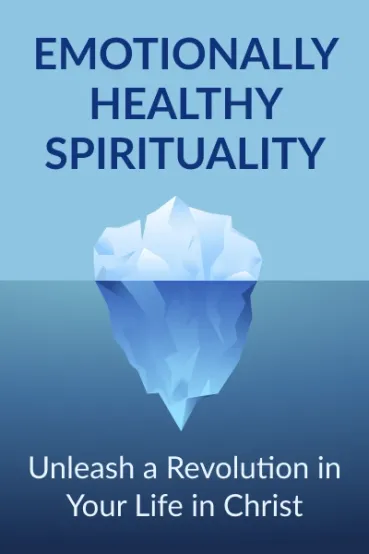
People usually assume that spirituality means attending church regularly or speaking openly about faith. However, this is what pastor Peter Scazzero calls “tip-of-the-iceberg spirituality.” Roughly ten percent of an iceberg is visible above the water, just like the behaviors others can observe.
To make this point, Scazzero recounts a personal experience. He and his wife hosted guests after church out of obligation rather than desire, ignoring their own frustration. While they focused on maintaining appearances, their toddler slipped outside and nearly drowned in the backyard pool. Outwardly, they seemed spiritually devoted, but inwardly they had lost touch with their emotions and boundaries.
When people try to be more spiritual, they typically change the visible layer, but the remaining 90% of the iceberg remains untouched. There is a gap between someone’s outward spiritual performance and their internal reality. That’s why Scazzero argues that a person cannot grow spiritually while remaining emotionally immature.
What does emotionally unhealthy spirituality look like? Symptoms include using religious activity to avoid dealing with pain or ignoring difficult emotions like anger or fear. Some people also tend to spiritualize away conflict or judge other people’s spiritual journey. Many are living a double life, in which they preach love and forgiveness on Sundays, but then curse alone in the car on Monday.
Because Christians are taught to distrust their emotions, the situation is common. People perceive anger or fear as spiritual failures when those are actually crucial signals. We shouldn’t forget that emotions are part of being human. If we keep ignoring them, they won’t just disappear. These emotions will keep resurfacing through resentment or broken relationships.
What is the way out of this? It’s vital to combine emotional health and contemplative spirituality. We can learn to name and manage feelings as well as resolve conflicts maturely. Real spiritual growth can begin when we stop pretending and start facing ourselves honestly.
You may also like these summaries