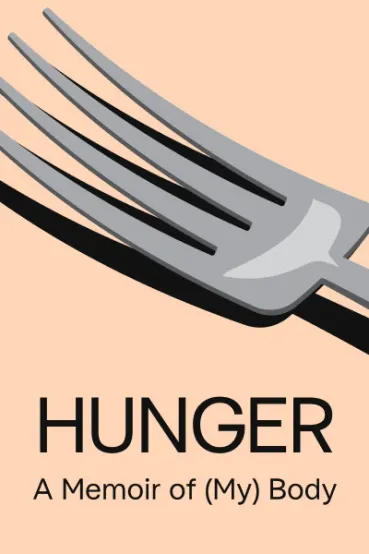
Hunger
Brief Summary
In "Hunger", writer Roxane Gay opens up about the deeply intimate relationship between her body and food. She looks at the biases connected to our bodies and the hunger we all have – but not necessarily the physical one.
Topics
Key points
Key idea 1 of 6
When we make snap judgments about someone’s looks, we ignore deeper issues that might be at play. Every body reflects an individual journey and lived experience. Roxane Gay’s story is not a conventional tale of triumphant weight loss. Instead, it’s an honest account of how a young girl’s body became her fortress in response to trauma.
When Roxane was twelve, she was betrayed by a person she loved. Her friend Christopher (name changed) and his friends took advantage of her in an abandoned hunting cabin in the woods. In those terrifying moments, she lost her sense of safety in the world and in her own skin. She didn’t turn to parents or other adults for support because she feared they would blame her. So, she tried to deal with it alone, and that’s how she turned to food for comfort.
Gay began eating compulsively, building layer upon layer of flesh as armor against a world that showed her terrible cruelty. Food tasted good and made her feel better, if only temporarily. The logic was both simple and devastating: if she made herself big enough, her body would be safe. If she took up enough space, it would be impossible to shatter her again.
Was this coping strategy a healthy one? Some may say it wasn’t, but it developed into a pattern that she couldn’t escape. Gay ate to numb the pain because she wanted to erase the memory of being that vulnerable child. As a result, she started to gain weight rapidly. Within less than a decade after the assault, she went from overweight to morbidly obese, eventually reaching 577 pounds at six feet three inches tall.
Paradoxically, Gay made herself larger as an assertion of agency after her sense of control was brutally stripped away. Even if she made the decision to construct this body out of trauma and fear, it was still her own choice. Her body turned into a physical manifestation of “no” that she hoped the world would finally respect. Food became her haven and her jail, both keeping her alive and imprisoned.
You may also like these summaries