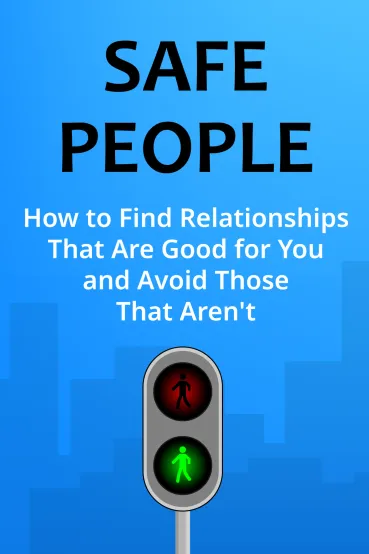
Safe People
Brief Summary
Building nurturing relationships is key to emotional well-being and harmony. However, toxic people and harmful behaviors can get in the way of this. It's important to spot negative traits in others and improve our emotional openness. Let’s build bridges for interaction that promote growth and support with “Safe People” by Christian authors Henry Cloud and John Townsend.
Key points
Key idea 1 of 6
We tend to demonize our craving for closeness. However, this need is our blessing. The serious issue is our desire for connection if we aren’t experienced enough. Consequently, sometimes, we suffer due to a lack of skills in detecting safe and dangerous people. In general, we can divide toxic people into three types: the critics, the abandoners, and the irresponsibles.
The first type is the critics. We must give these individuals credit for their analytical skills; you can rely on them whenever you need advice. However, they would rather help for subjective reasons than out of genuine sympathy. It would be wise to have critics in your friend circle because of their accurate thinking. But be ready for permanent nervousness due to missteps.
The second type is the abandoners, who start relationships passionately but quickly lose interest. In the early stages, there would be conversations all night, expensive presents, and other signs of attention, but this passion is short-lived. Sooner or later, some imperfections become visible, like a lack of genuine intimacy. They give up as soon as it becomes clear that perfection is unattainable.
The last group is the irresponsibles, people who often let others down. They may be fun, but it’s not wise to rely on them in tough situations. If you like such people, be prepared to deal with the repercussions.
Recognizing harmful people is important to create a safe space. Because they deny their shortcomings, it's hard to have honest and respectful interactions with them. Even if they are forced to admit they were in the wrong, their apologies are shallow. Feeling sorry only counts when it comes with a genuine desire to change. But these people don't want to grow because they lack self-reflection.
FAQ
You may also like these summaries